
Well it’s been a while. Abercrombie is in fine form, perhaps a little too cute, a little too arch, and a little too reliant on dredging up another joke from the same well, but I enjoyed it all the way through. A lot of fun, even if some developments are rather obvious. I do wish Abercrombie would do a little more reading on HEMA to inform his writing, it’s still very Hollywood with lots of huge hacking swings and little armour usage, but the action is still well-written. Solid effort.
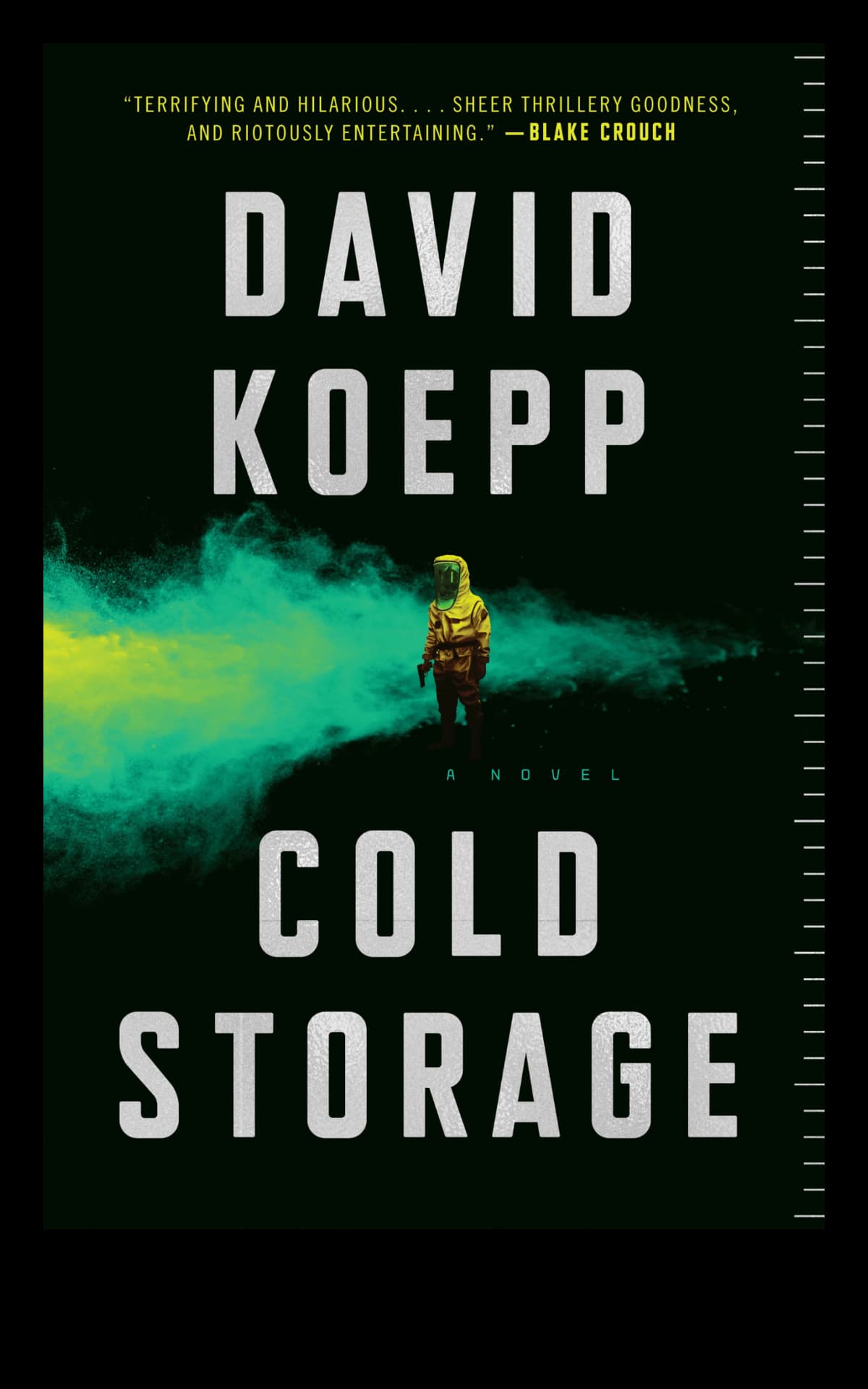
This was fun. A pair of everyday workers find an aggressive fungus in their former government weapon storage turned storage business. Written in a slightly wry tone, with some rather haphazard jokes, it is nevertheless a light and amusing, if gory, read. A little too good-natured, but otherwise fine. I am looking forward to the film.
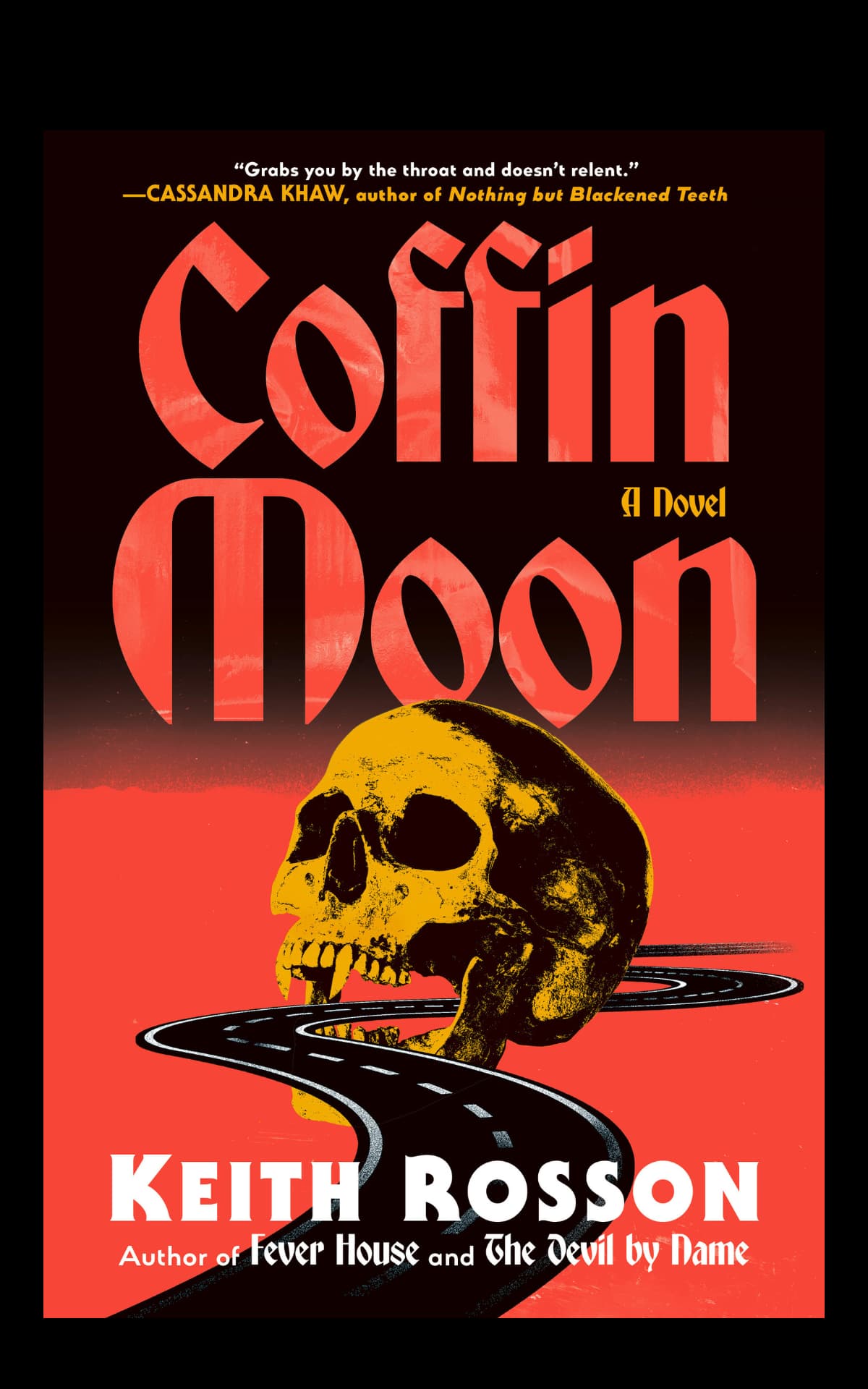
Not ever going to pick on Rosson’s prose, but the choices here (an odd timeskip at a particularly important point, in particular, and the character development that is then elided) regarding the plotting are confusing and suboptimal. Also not a fan of the stereotypical Vietnam vet experience, which seems to have been hauled from the big generic bin of PTSD all writers have laying around. That aside, it’s a touching story of a man and his niece seeking revenge, and takes some new turns in doing so. Some really beautiful moments, and great prose all the way through.
4 Likes
Are all of Abercrombie’s books in the same universe? I read the First Law trilogy and enjoyed it well enough.
Off the top of my head, they all are except The Devils.
1 Like
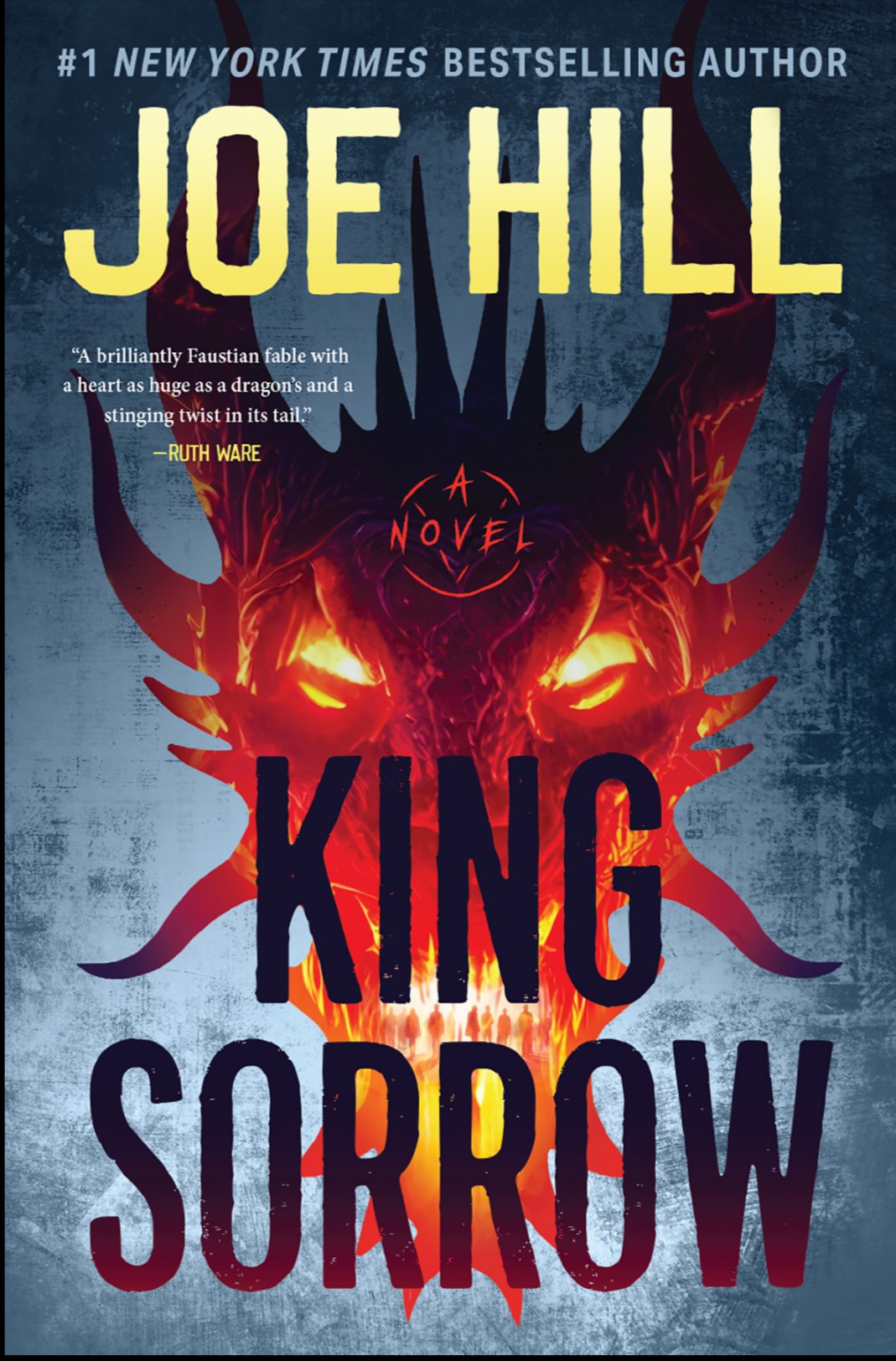
While Horns almost killed me, NOS4R2 lost me slightly, and The Fireman practically shit on my shoes. And, here, not that much has changed. I don’t really feel the tight circle of friends across the decades, complete with odd timeskips (oh how they cover a multitude of sins!), has aged well since It, and I feel resentful of the privileged set up in the first place (how do your afford years searching for myths and legends in the UK, as a poor wage slave from the US? The answer is: you don’t). I found some of the intra-group dialogue especially cringe, and had nothing but distasteful thoughts for two characters especially, one of whom was inherently good, and one of whom was inherently evil. I wish I liked this book more, but it has some odd mis-steps all the way throughout, from the incongruity of calling up a dragon as if it were a ghost, to the weird stagnant personalities that didn’t develop due to their money, opportunities (?), education (??), and experiences (???). I suppose some of that is accurate. The more I think about this book, the stronger my puzzled disappointment becomes.
2 Likes
Two and a half years later, I have read There is No Antimemetics Division.
Had I read it in 2023, I would have described it as a Covid novel. Now we’re deep in the Trump era, a novel about incomprehensible ideas coming out of nowhere to destroy civilisation by destroying memory seems too much on the nose.
I hate living in historically significant times. I’m going to go back to reading Proto, by Laura Spinney, about the history and descent of Proto-Indo-European, in which nothing discernible happens in centuries other than the invention of the wheel, agriculture and bronze smelting, and people making up new words to describe them.
6 Likes
I was browsing Audible for some books to fall asleep to (meaning comfort books that I’m already very familiar with) and saw that The Hitchhikers Guide to the Galaxy has a rating of 4.2 on Goodreads.
That is all.
1 Like
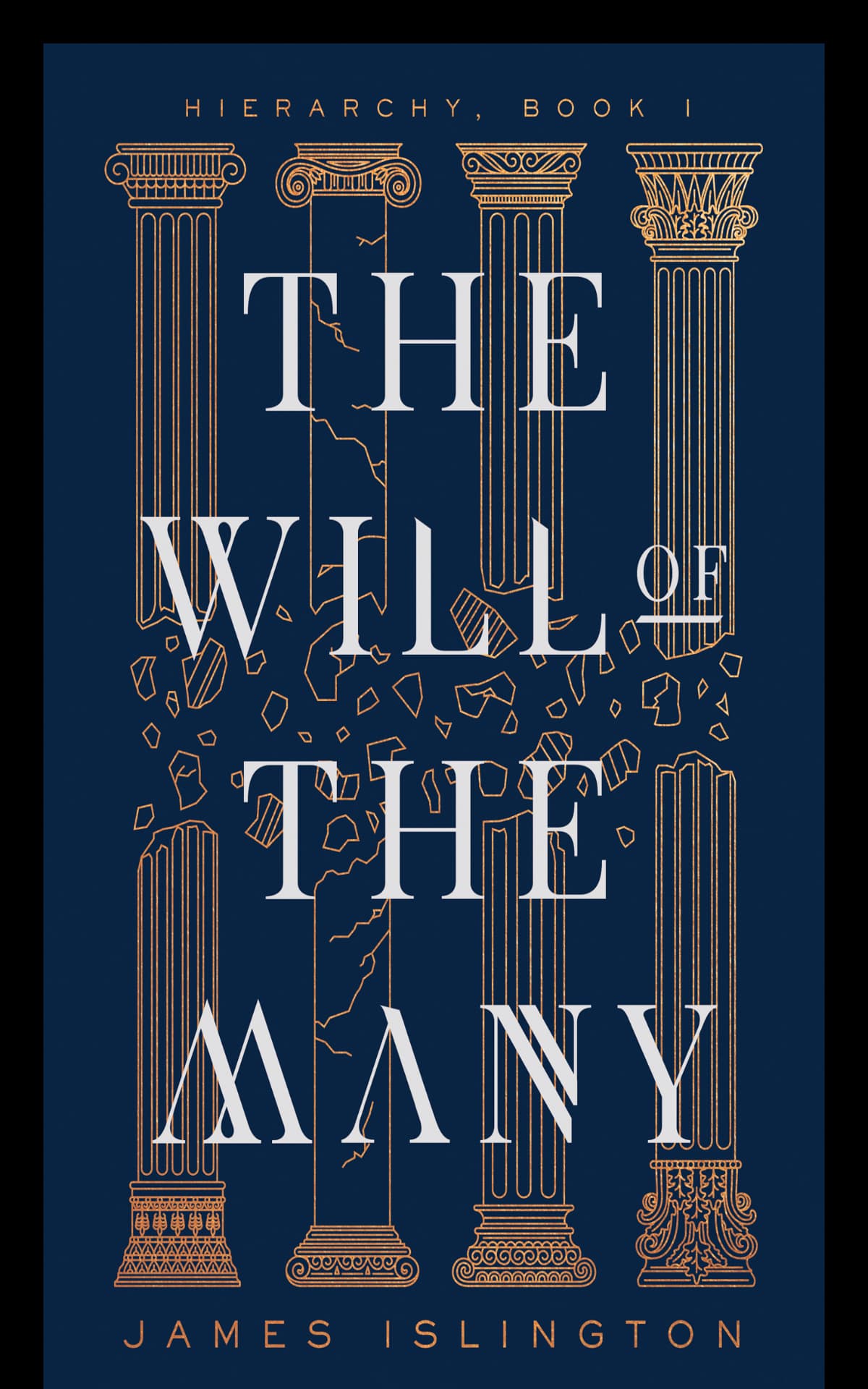
There are similarities here with the Red Rising trilogy, including edging into YA territory that I find really quite despicable. But the alternate Roman empire, empowered by a kind of psychic slavery, is interesting enough, and the perspective of an outsider doing his best to blend in is always welcome. I think I can see plot developments coming from approximately a mile off, though.
I need some Terry Pratchett advice.
I live Pratchett. I own every Discworld book, half of them again Kindle, and have about a dozen audiobooks. My son and I have been going through his audiobooks in publication order for a few years as I drove him around. That said, there are some classics that I’ve re-read multiple times and there are some gaping holes in my memory.
My family is going on a road trip this summer and I want some new audiobooks that we can all enjoy. My kids have listened to Harry Potter and Percy Jackson ad nauseum and I want something fresh (and mainline Discworld is out since that’s something special I’m doing at other times with my son). I was thinking of Pratchett’s more YA books like the Tiffany Aching series and/or Amazing Maurice. Does anyone know how well they’ve held up. Are they still fun for adults? Stephen Briggs narrates so the reading will be top notch, I’m sure.
I’m also open to other suggestions. The book doesn’t have to be a series. Note that I’ve already got everything Tolkien (I want them to read the books first), the Bartimaus Trilogy and the Lockwood & Co. audiobooks.
3 Likes
Excellent curation! Based on what they’ve read and what you want them to read:
The School Between Winter and Fairyland by Heather Fawcett is excellent. The title is not accurate as to what it’s about or the tone, and it will sound derivative by the description, but it isn’t. It’s a seriously great read, with elements that will seem familiar, but a lot of weirdness and interesting magic.
The Enchanted Forest Chronicles by Patricia C Wrede (4 book series) are excellent. The first one is the best, but they are all good and would make for very good road trip reading. They’re clever, with good pacing and great dialogue and twists.
Most people only know the movie, but Howl’s Moving Castle is also a great book. A little different in tone from the movie, but not better or worse, and with a lot of the weirdness the movie leans into.
There’s also a great audiobook of The Princess Bride, which is perhaps not as good as the movie, but still very good.
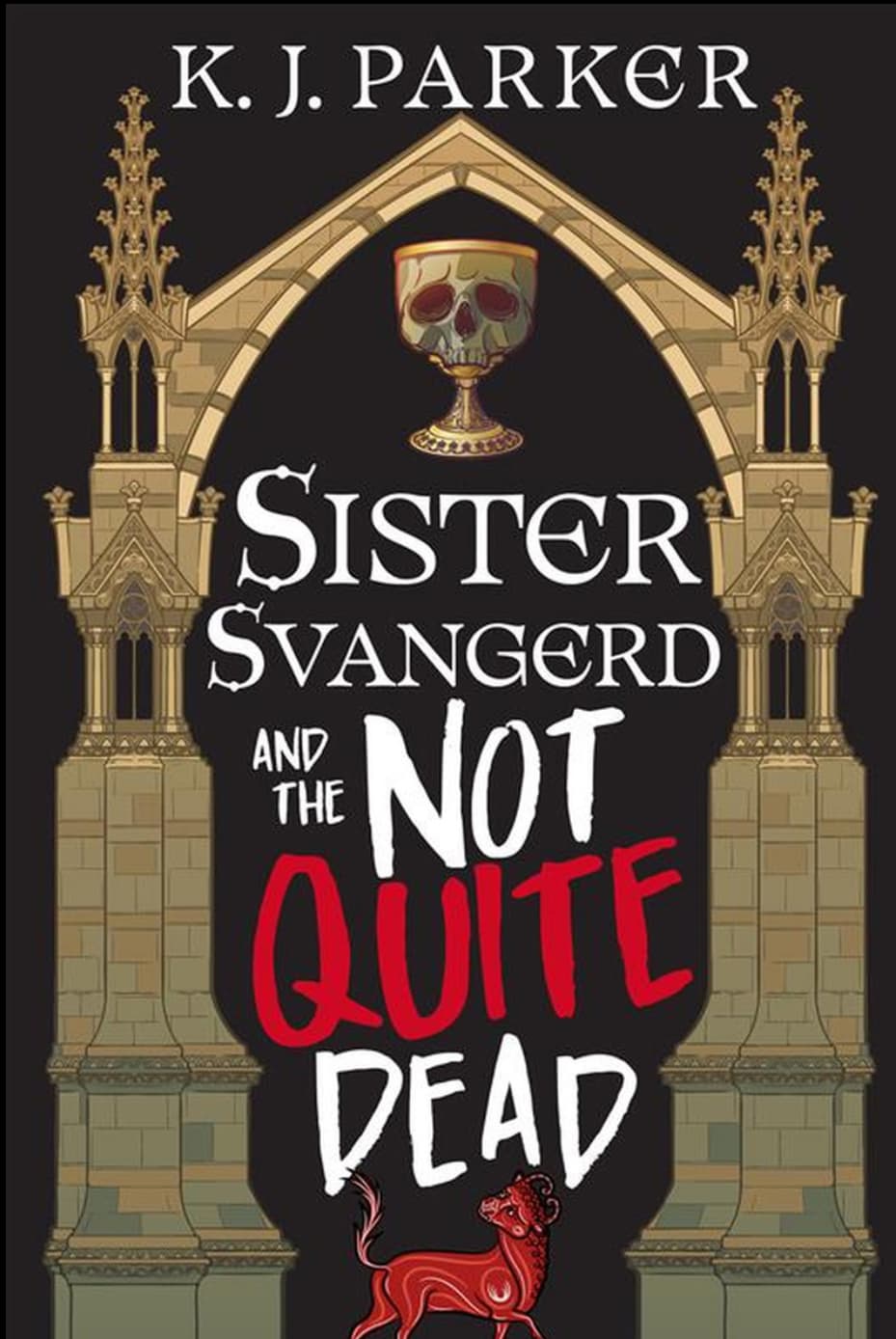
K.J.Parker aka Tom Holt’s latest, book 2 on the way. Very similar in feel to the Saevux Corax and the “Sixteen Ways to Defend a Walled City” trilogies, so drily funny with a very dubious hero and lots of historical allusions, in this book to the early Church. The kind of book you will like if you like KJP’s books. Also the kind of book that half the posters on this forum probably feel they could write, with a bit of practice.
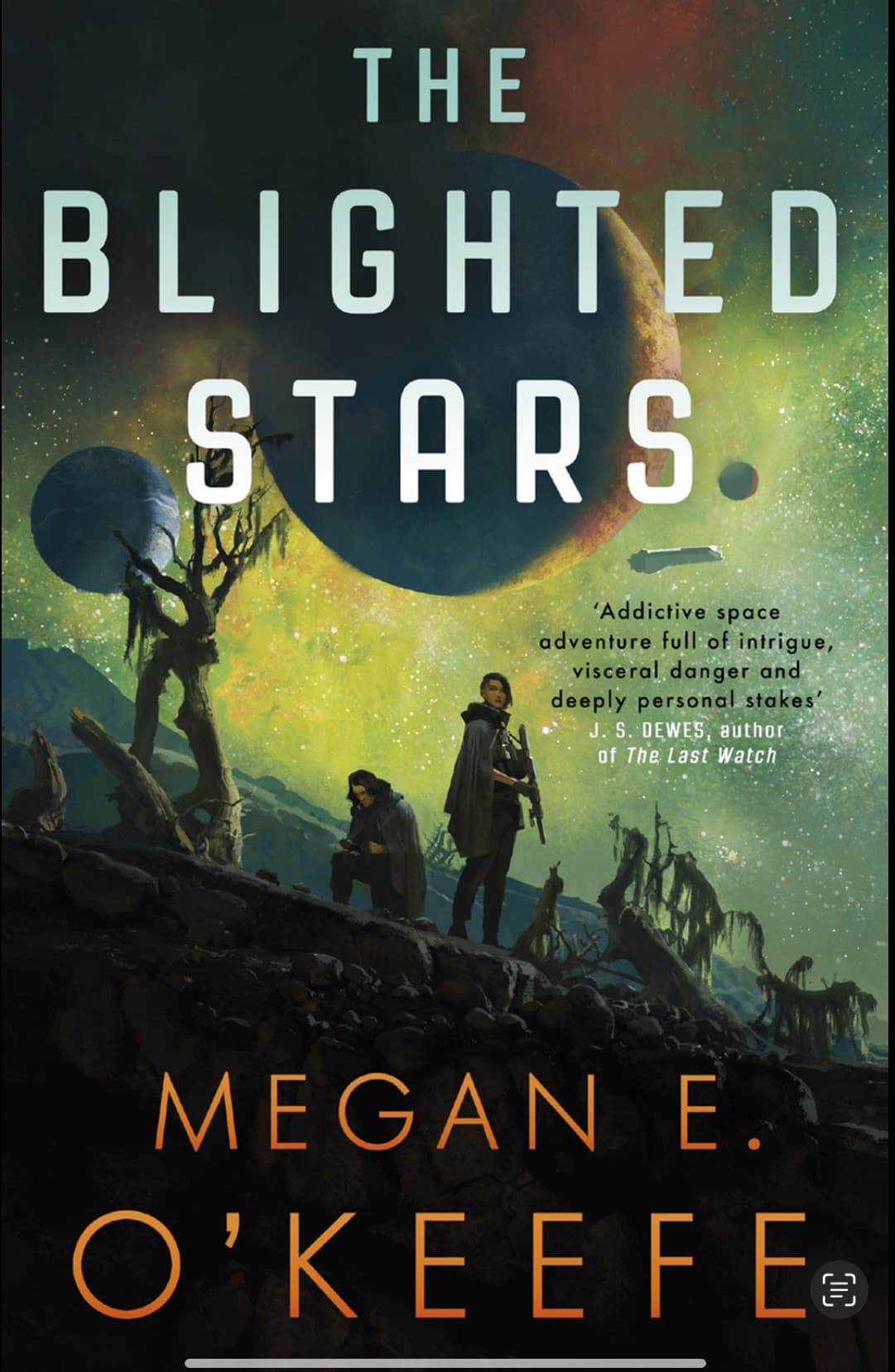
In contrast, book 1 of a trilogy where I will not be bothering with the second and third volumes. I got it because I liked the Velocity Weapon series, and there are some nice ideas here which are not really explored. The rich and their minions get to enjoy multiple lives by having their mind states loaded into “printed” bodies, and this is just kind of accepted as the way of the world and death being an bit of an inconvenience in the book. Mind states deteriorate over time so you’re not functionally immortal, and double-printing is forbidden by the Plot. Worlds are being overrun by an all-choking fungus, one of which sadly we see in surprisingly tedious detail. Yes there’s a romance subplot, eh, and the ultimate antagonist is a conventional sci-fi villain. Dull.
4 Likes
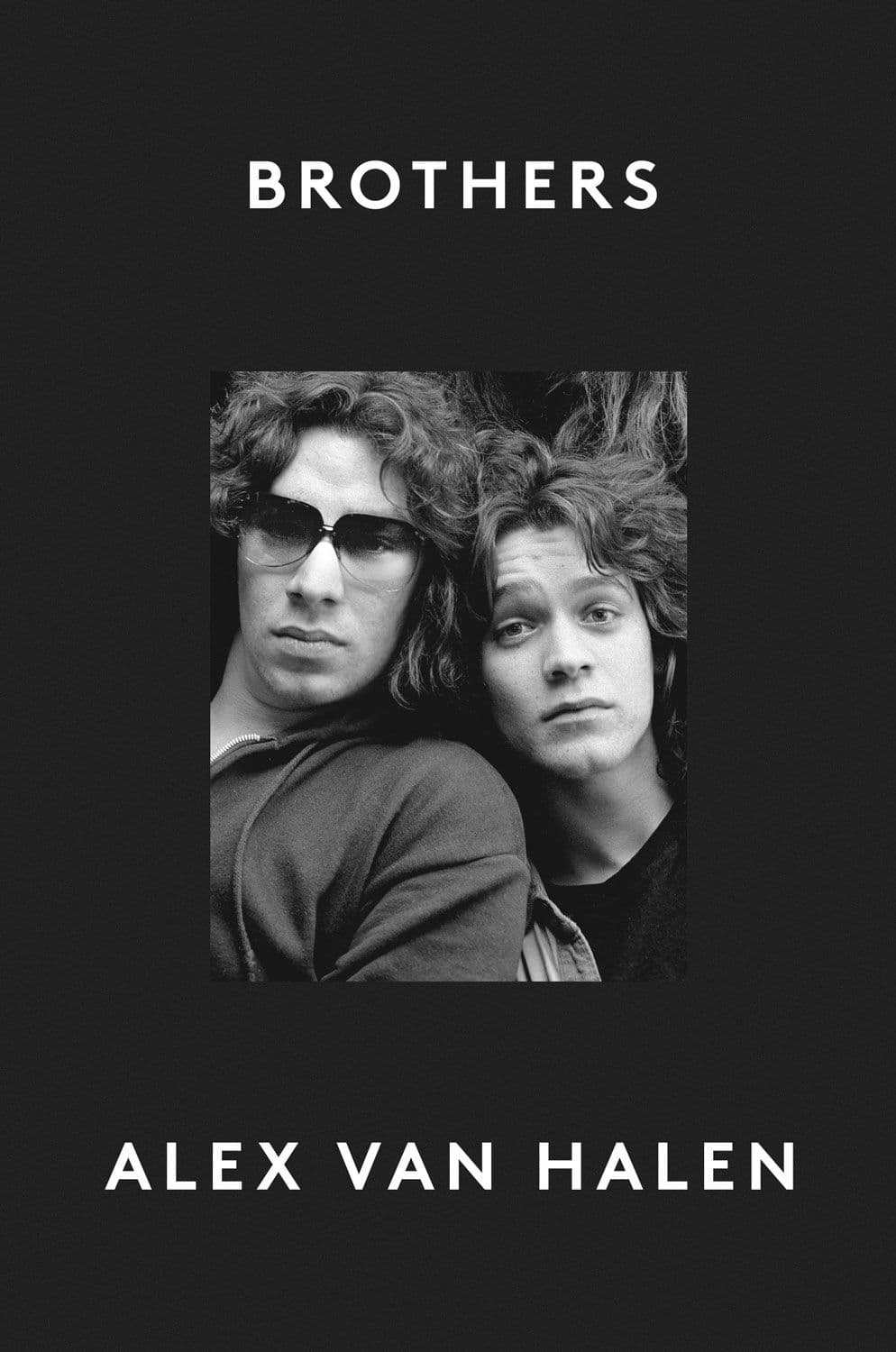
I have never been a huge Van Halen fan by any means, though it’s impossible not to recognize the level of skill that Eddie Van Halen possessed with the electric guitar (and other instruments—they guy was able to learn to play anything he picked up). I was curious about the new book by Alex (Eddie’s brother), focused on Eddie and their time together (Eddie died of cancer a couple years back) as brothers and bandmates.
Following that read, I felt compelled to read the Sammy Hagar autobiography, as Alex essentially stopped his own book right around the point that David Lee Roth left the band. He mentioned Hagar in a number of places, but there’s scant detail in there about their years with him as the lead singer of Van Halen. Which seemed kind of weird to me. Alex doesn’t come out and say he hated Hagar, but the lack of those years in the book strongly suggested it to me (along the lines of “If you can’t say anything nice about someone…”).
I had no interest in and have never read David Lee Roth’s autobiography. I don’t have anything against Roth, I just cannot imagine anything coming out of that book that would be really eye-opening or offer a new perspective, beyond pure absurdist salaciousness. Roth, to me, is a cartoon version of a rock and roll star, the Snidely Whiplash of AOR music. And based on Alex and Hagar’s books, he’s even more shallow and less intelligent than I had already considered him (one of few things Alex and Hagar agree upon).
Alex’s book spends too much time up front on their childhoods—though, to be fair, I think that about most biographical work about famous people, mainly because I simply don’t care about their childhoods. I’m sure some people do, but my interest is in that person from just before they started their band or went to their first audition or what have you, not when they were in grade school (Alex and Eddie were scamps in grade school, to no one’s surprise).
To also be fair, Alex and Eddie started the band Van Halen when they were teenagers, and they became famous in their late teens and very early twenties, so seeing how rapidly that happened kind of explains some things about how remarkably poorly they handled themselves as famous people. Eddie married a TV star at a very early age, just as the band was reaching a high level of fame, and that lasted a very long time, possibly because they were both too busy to spend that much time together. Alex doesn’t write very much at all about his own relationships, and that’s indicative of the book overall—it’s really focused mainly on Eddie and the band itself.
The electric guitar virtuosity that Eddie displayed (often as if it were effortless) was the result, according to Alex, of two things—Eddie was naturally gifted at an unimaginable level, and he also spent all of his free time riffing and playing with his guitars, trying to write new melodies and solos.
Again, I’m not a huge Van Halen fan, but I have read a lot of interviews and other bios of other musicians, and that lines up pretty well with anything else I’d ever read. According to Alex, Eddie would go back to the bus or hotel rooms after shows and just stay up all night writing music, trying things out on the guitar. No partying, no women, just guitar. Yes, Eddie drank a lot and would often drink himself to sleep. But Alex’s stance was a sort of “no harm, no foul” pov about his brother having a serious drinking (and smoking) problem.
Hagar, meanwhile, describes both the Van Halens as being constant drinkers—wake up, open a beer or a bottle, drink until they needed a nap, then start drinking again whenever they woke up, with a level of chain smoking that I’ve rarely seen IRL, even in the 70s and 80s. He describes them both as easily getting into fights and messing things up backstage, etc. The brothers were symbiotic in that way (and others) and on the occasions one got clean for a little while, the other seemed lost. There are very few parts of Hagar’s book that ring with truth, but this was one of them.
Alex doesn’t ever go into detail about his own drinking or substance abuse problems, which I suppose would undermine his credibility in remembering things accurately, and Sammy similarly glosses over his own well-known use of various substances—even alcohol is given little mention, and the man owns a tequila company. I personally glossed over the early chapters of Sammy’s book, having zero interest in his privileged upbringing or family.
Where I think Alex endeavored to write a heartfelt and mostly honest book memorializing his brother and the band they both started and cared so much about, Sammy spends a lot of time framing and reframing the crappy things he’s done to make himself seem less like a jerk. I’m more forgiving, therefore, of Alex turning a blind eye to his own issues with alcohol, for example, than I am of Hagar endlessly justifying why it was completely reasonable for him to leave his wife and son.
If that makes it sound like I think Hagar is a horrible person, then I’m conveying this accurately—his book succeeds in that it gives you insight into Hagar’s real character, but not in the way I think he imagines it does. He thinks he comes off as a cool guy the reader can empathize with, whereas anyone reading with even a little bit of objectivity can see through what he’s doing rather easily. He likes money and women, and he’s a sort of idiot who’s been really lucky a few times.
Where Alex often seems blinded by his brother’s genius for musicianship and his own grief for someone he clearly deeply misses, the only person Hagar is blinded by is his own self. Hagar, as one example, cites his hit solo song “I Can’t Drive 55” as among the greatest rock has to offer (putting it in the same sentence as Zeppelin), with absolutely no awareness that it is, for most people, little more than a novelty song from an era when speeding was bad-boy behavior.
One of the most notable stories in the book is, of course, how he came to be the lead singer of Van Halen, and he characterizes it with such an obvious degree of inaccuracy as to be fiction. In his telling, he returned home from a solo tour and that night, the phone rang, Eddie was begging him to be their lead singer, and Hagar turned him down. The ensuing days were full of calls from Eddie, the label, Van Halen’s manager, all insisting only Hagar could be their guy, Hagar telling the No, time and time again.
No one, other than Hagar, remembers it this way. Hagar was, at best, their fourth choice. Neither of the Van Halens wanted him, their manager liked him and made the call, and Hagar agreed to meet the band and jam almost instantly. The band’s first choice was Steve Perry from Journey (who apparently hated his own band mates even then), followed by Deep Purple’s lead singer (who Van Halen’s manager decided was too much of a drunk—which seems an impossibly high bar considering the Van Halen brothers’ Olympic-level drinking), and Scandal’s lead singer, Patty Smyth, who was a friend of the family (but who turned them down because, being a friend of the family, she knew what a train wreck they were) (can you imagine turning that job down? One of the biggest rock bands in the world asks you, a woman in the mid-80s, to be their lead singer, and you have to turn it down because you know what a disaster they are? I wonder if she regrets that at all). I’ve heard Bad Company’s lead singer was also in consideration, though he won’t speak about it.
Hagar and Alex each come off as children, but where Alex seems immature and prone to idol-worshipping, Hagar is spoiled, delusional, and petulant. He talks about his lyrics as though they are life-changing, and goes so far as to marginalize some of Eddie’s musical work as it contributed to the band’s success. He spends nearly an entire chapter talking about what a struggle it was to found his tequila company and resort, the tone being “I had all the millions I needed, but it involved some hard work.” I’m sure it did, Sammy, and I doubt you know who did any of it.
In all, I wouldn’t want to spend any time with either of these guys, or David Lee Roth for that matter. But at least Roth has never seemed to take himself seriously, and he doesn’t care if anyone else does either. These two guys, on the other hand, want everyone to accept their truth as the only one worth knowing. I’d recommend avoiding both books.
2 Likes
The band’s first choice was Steve Perry from Journey (who apparently hated his own band mates even then), followed by Deep Purple’s lead singer (who Van Halen’s manager decided was too much of a drunk—which seems an impossibly high bar considering the Van Halen brothers’ Olympic-level drinking), and Scandal’s lead singer, Patty Smyth, who was a friend of the family (but who turned them down because, being a friend of the family, she knew what a train wreck they were) (can you imagine turning that job down? One of the biggest rock bands in the world asks you, a woman in the mid-80s, to be their lead singer, and you have to turn it down because you know what a disaster they are? I wonder if she regrets that at all). I’ve heard Bad Company’s lead singer was also in consideration, though he won’t speak about it.
I always love this aspect of reading about bands. I consider it otherwise worthless. I’m always amazed at just how much bile piles up over years of working with people they despise, but they keep doing it. I remember reading an interview once where an up-and-coming band (since split) were discussing how none of them really got on with each other, and if they had to share a taxi, the band probably wouldn’t exist at the end of the taxi ride. I find that fascinating, given my absolute lack of tolerance for people I can’t stand.
2 Likes
1 Like
On a whim, since I kept seeing people on Reddit talk about Dungeon Crawler Carl all of the time, I picked up book 1 last month. It might be the most fun I have had reading since Ready Player One. That does not mean the best book, just that it is a very fun, light read.
I just finished book 3 in the series the other day and while some of the novelty wore off in book 2, book 3 picks back up the pace. Honestly all 3 books are fun, just book 2 is more “side quest” I thought.
Actually I am concerned I am going to finish the series faster than I want to, so I picked up Joe Abercrombie’s A Little Hatred, since I had read the First Law trilogy and some of the standalone books in that world.
It is such a stark difference jumping from light to (grim) dark. 
I personally really disliked Ready Player One and I’ve held my nose up at the idea of Dungeon Crawler Carl and, frankly, any LitRPG. I do love RPGs, though, and I feel like I’ll end up reading it at some point in spite of my disinterest.
4 Likes
I just finished the latest Murderbot, Platform Decay, after starting it earlier today (for me). The last time I did that was The Forever War on my birthday in, I think, 2010, when I had two very young children and it was exactly what I needed; just an incredible gift from my wife to have that much solitude and freedom from responsibility that I could be in another world for most of the day.
Murderbot’s still Murderbot. For me, that works very well, but I imagine you won’t care for this one any more than others you’ve read if you didn’t like those.
4 Likes
In full agreement here. Saw it, bought it, read it in one go, more or less. There’s enough development that it’s not stale, but definitely one for people who’ve bought into ol’ Grumpy Arm Guns and his resentful (but not really) emotional development.
1 Like
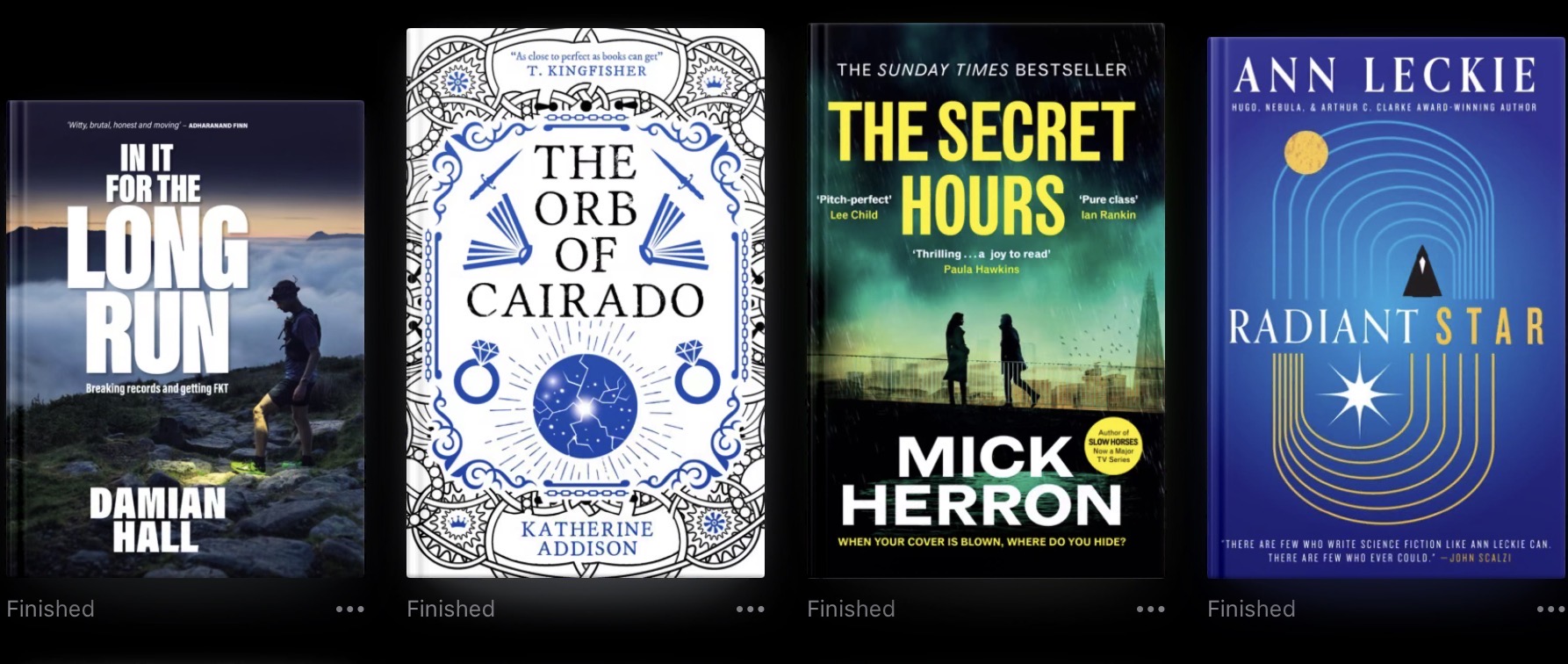
The latest books, three of which are coincidentally side stories in their respective universes.
Radient Star is the story of what happens in one tiny outpost of the Radch empire after the events of the Anciliary Justice trilogy. It’s a neat story of a small world consumed by parochial politics and religious disputes, only dimly aware initially of the cataclysm happening in the greater universe. There are himts that the narrator is describing the events from a historical distance, implying that the Radch are very much past.
The Secret Hours is characteristically bleak and darkly funny, taking its time to unfold the origin stories of two Slow Horses characters via the roundabout medium of a futile government enquiry into misdeeds by the intelligence services. Futility and the material and spiritual shabbiness of the current UK is something of a theme.
The Orb of Cairado is a charming whodunnit/whytheyhidit mystery in the Goblin Emperor world. I think the Goblin Emperor and its clutch of novellas are much underrated and elegant examples of fantasy world building and storytelling.
In It for the Long Run. Bloke blokily takes up running, finds he’s good at it, discovers ultramarathons and FKTs and blokily runs ludicrous distances in astounding times fueled by custard, chocolate biscuits and bloke-ish self-pity, supported by many named blokes of both genders. Also discovers the environmental crisis and joins Extinction Rebellion in an entirely earnest and non-blokey way with an audible crashing of gears from the book. Possibly not recommended if you’ve never heard of Jasmin Paris, Kilian Journet or the Pennine Way.
3 Likes
I have come to the conclusion that I don’t know what horror is. Recently read The Buffalo Hunter Hunter, by Stephen Graham Jones, and Between Two Fires, by Christopher Buehlman. The first seemed equally well-described as a western with supernatural elements, and the second as a historical fiction which treats contemporary views of angels and devils as though they were literally true, yet both are classified as horror. Things happen in each which would justifiably scare and disgust the characters, but didn’t seem especially likely to have that effect on a reader, nor especially intended to?
In any event, I liked both. BHH made me more curious about traditional western novels, and what it is about western movies that I like. It’s a competent vampire story with native Americans treated as worthy of a point of view, for which it got some attention. Basically deserved, but I don’t know how deep it got. Still, I liked the writing well enough, and there were some neat bits, which overall made it satisfying.
BTF, though, had everything going for it: long enough on my wishlist that I approached it with few remembered expectations, read on vacation in a quiet cottage in Maine, in a hardcover I’d impulsively bought in a small, independent shop. So, when I say I loved it, I accept that I was so ready to be pleased that my perception might be generous. Still, it partook of the unfamiliar logic so well-captured by the recent The Green Knight, which seems a constant in stories from the Middle Ages touching on any sort of adventure. Tempering this with irreverence from the characters made it feel much more inviting, and that dynamic was constantly reflected in the prose, which could be both archaic enough in word choice to establish a sense of a very different place and also clear and direct enough to draw the reader into it.
In between my two forays into horror, such as they were, I dipped my toe into, arguably, sci-fi romance with The Mars House, by Natasha Pulley. I think this was my least favorite of the three, and was still pretty good! I don’t know the conventions of the romance genre, either, but my expectations were that the setup was going to lead to a regrettably regressive denouement which would feel like a justification of rigid gender roles, and it avoided that without feeling didactic about it. I also appreciated that it explored some thoughts about colonizing Mars beyond the first few years of technical hurdles. I think several twists were clumsily foreshadowed, but I’m not unable to forgive that particular sin.
5 Likes
I have a hard time identifying what “horror” means in book terms as well. For me, horror should elicit fear in me, but as you pointed out, the situations in the books may be horrific to the characters, but not necessarily me. Peter Straub’s “Ghost Story” and Joe Hill’s “Heart-Shaped Box” are often cited as quintessential horror, but neither made me feel dread. I’ve never been a King fan, but what little of him I’ve read hasn’t done it, either. “Dead Silence” by S.A. Barnes was the last book to give me that “don’t look under the bed!” feeling, but her recent follow-up, “Dead Silence,” has plenty of horrific things but was weak overall and didn’t elicit any dread in me.
Perhaps my expectations aren’t realistic for the written medium but horror is certainly tough to nail down in literature.
1 Like